Complete guide: What Charlotte homeowners don’t want in 2026
The home features falling out of favor—and what today’s homeowners want instead
For years, bigger, flashier, and more tech-heavy homes ruled the conversation. If a space could be tricked out, automated, or designed to impress at first glance, it probably was. But as we move into 2026, Charlotte homeowners are sending a very clear message: they don’t want overly complex homes anymore.
Today’s homeowners want homes that work for real life—spaces that are flexible, timeless, and easy to maintain. They’re prioritizing comfort over spectacle, function over excess, and thoughtful design over trend-driven features that age quickly.
At Palmer Custom Builders, we’re seeing this shift firsthand. People planning remodels aren’t rejecting luxury—but they are rejecting unnecessary luxury. They want homes that feel intentional, adaptable, and grounded. Below are some of the once-popular features that remodeling clients in 2026 are increasingly walking away from—and what they’re choosing instead.
-
Dedicated home theaters: from must-have to missed opportunity
There was a time when a dedicated home theater was a crown jewel. Stadium seating. Dark walls. Built-in surround sound. But in 2026, many homeowners see these rooms not as a perk—but as a limitation.
Why homeowners are moving on:
- Lifestyle changes: Families aren’t gathering around one screen the way they used to. Streaming happens everywhere—phones, tablets, casual living spaces.
- Single-purpose space: A room designed only for movie nights often sits unused.
- Design rigidity: Dark finishes, fixed seating, and built-in equipment make these rooms hard to repurpose.
Homeowners today are asking a different question: What else could this space be?
What they want instead:
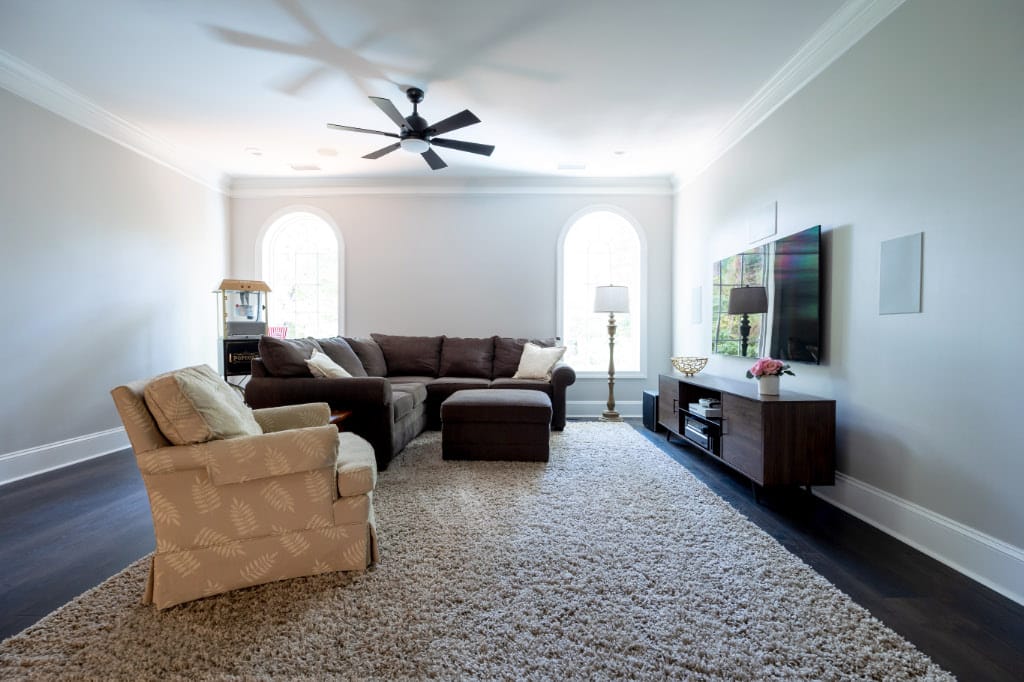
- Flexible bonus rooms
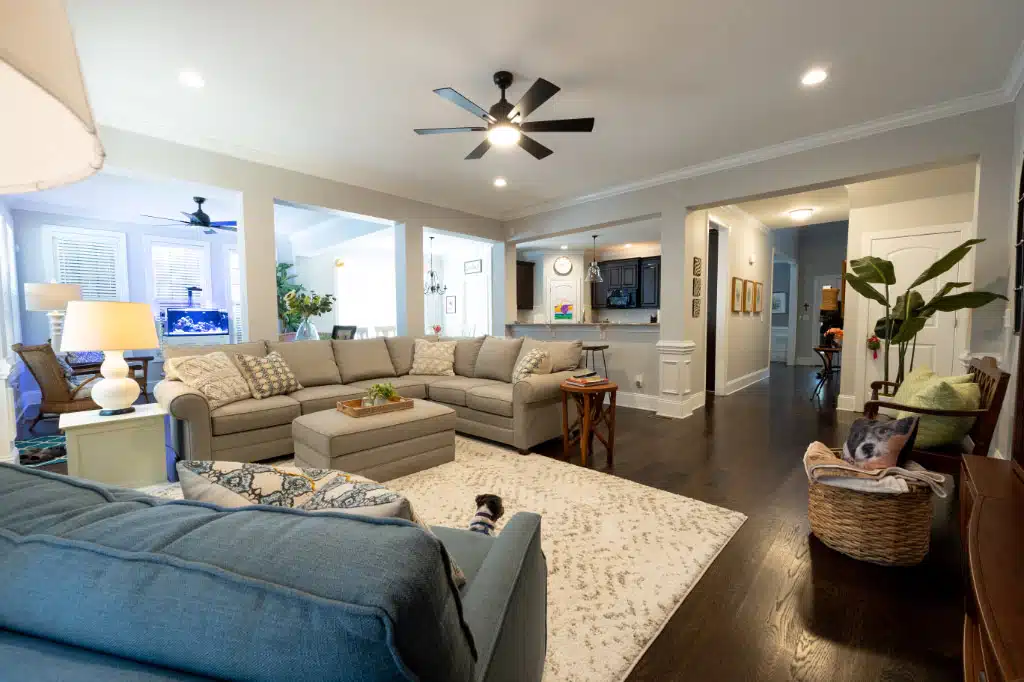
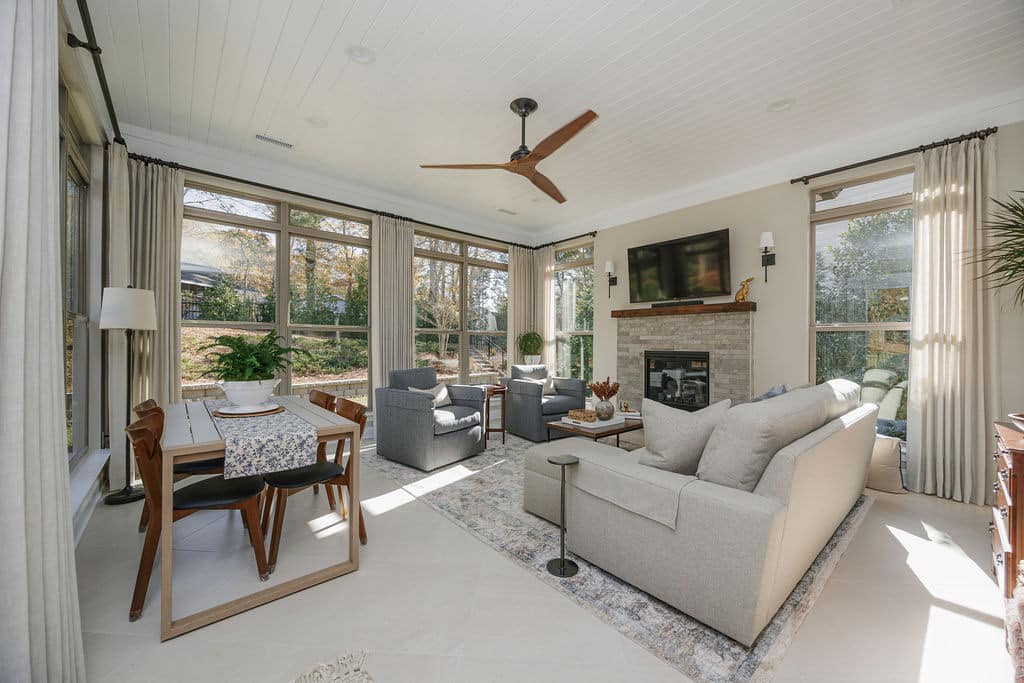
- Cozy media lounges integrated into living areas
- Spaces that can shift between work, relaxation, guests, or play
A light-filled loft with comfortable seating, hidden storage, and adaptable wiring beats a sealed-off theater every time. Homeowners want options—not rooms that lock them into one way of living.
-
Outdoor kitchens that date the home
Outdoor living isn’t going anywhere—but elaborate outdoor kitchens are losing their shine.
Once seen as a sign of high-end living, many homeowners now view large, built-in outdoor kitchens as costly, high-maintenance, and quickly outdated.
Why homeowners are hesitant:
- Weather exposure shortens the lifespan of appliances
- Design trends change fast outdoors
- Limited usability depending on climate and season
- Maintenance concerns for grills, plumbing, and finishes
In some cases, homeowners worry that a heavily customized outdoor kitchen will actually detract from resale value, especially if it doesn’t align with their lifestyle.
What they want instead:
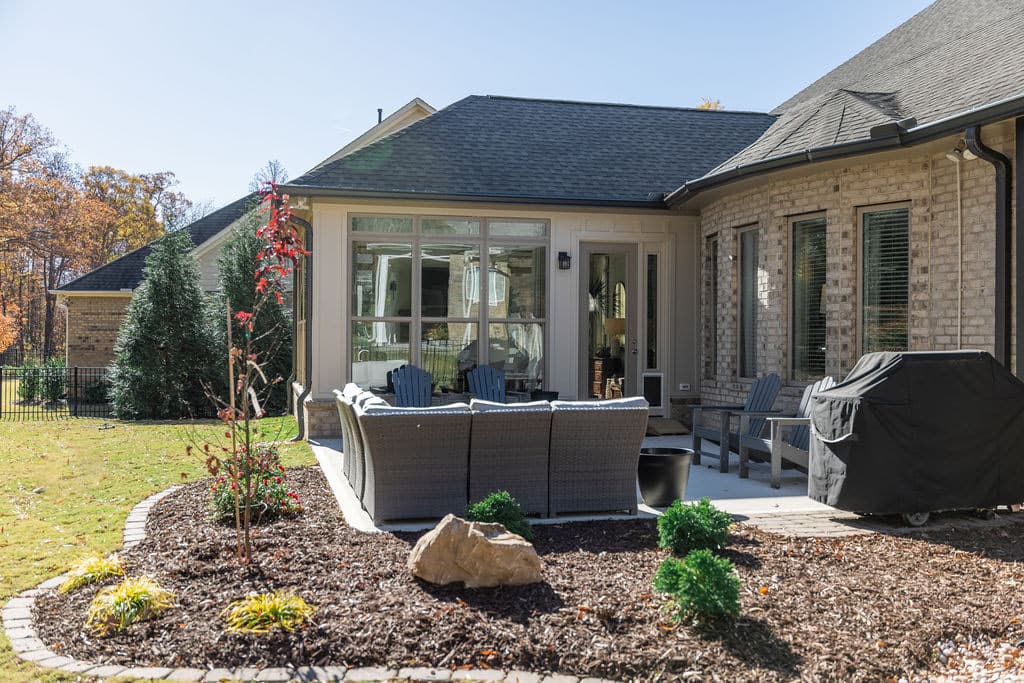
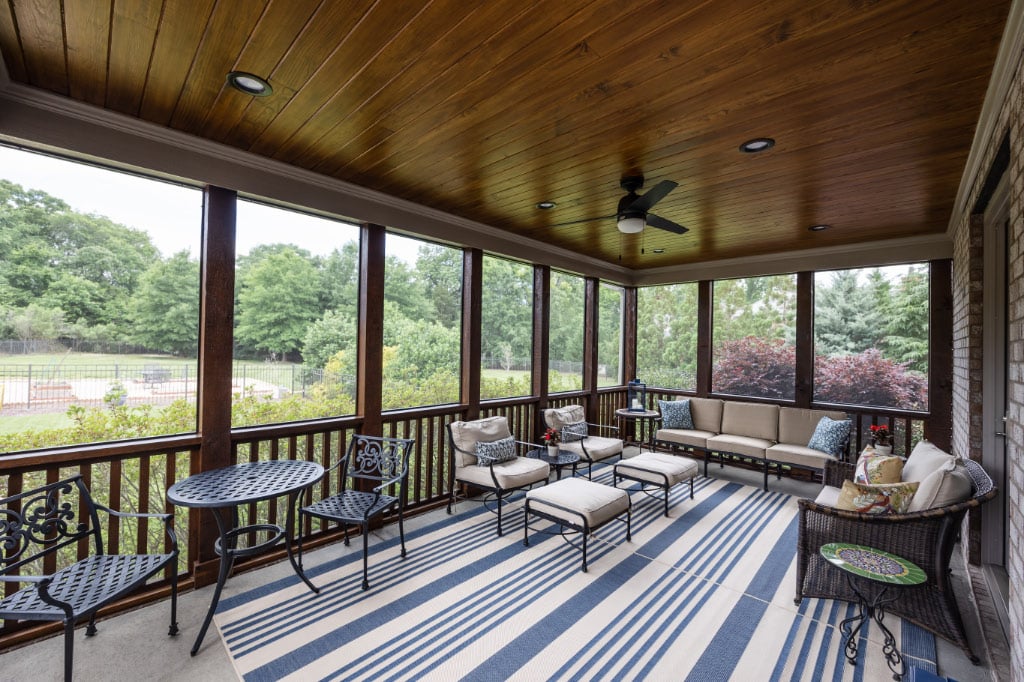
- Covered patios or screened porches
- Flexible outdoor seating areas
- Fire pits and fireplaces
- Simple grilling stations or freestanding equipment
Homeowners want outdoor spaces that feel like an extension of the home—not a showpiece that requires constant upkeep.
-
Backyard playground equipment that feels permanent
Built-in backyard playgrounds once felt like a dream feature for families. But in 2026, homeowners are thinking long-term—and many are opting out.
Why homeowners are passing:
- Short lifespan: Children outgrow playground equipment quickly.
- Resale challenges: Not every buyer has young kids.
- Visual clutter: Large structures can overwhelm the yard.
- Safety and maintenance concerns.
Permanent playground installations can make a yard feel less versatile, not more.
What they want instead:
- Open green space
- Multi-use yards for entertaining, pets, and play
- Room for future personalization
- Landscapes that grow with the household
Homeowners prefer a blank canvas—something they can adapt over time without feeling locked into a previous owner’s choices.
-
Excessive technology that complicates daily life
Smart homes are still in demand—but over-automation is not.
Homeowners in 2026 are wary of homes that require an instruction manual to operate. When technology becomes intrusive, outdated, or overly complex, it creates frustration instead of convenience.
Common buyer concerns:
- Systems that quickly become obsolete
- Proprietary platforms that are hard to update
- High repair and replacement costs
- Tech that doesn’t integrate with future upgrades
Instead of impressing homeowners, excessive technology can raise red flags.
What they want instead:
- Clean, future-ready infrastructure
- Simple, intuitive systems
- Manual overrides and flexibility
- Technology that enhances—not controls—the home
Smart lighting, security, and climate control still matter—but homeowners want them streamlined, optional, and easy to live with.
-
Overly luxurious bathrooms that feel more like spas than homes
Luxury bathrooms were once about making a statement—oversized tubs, intricate tilework, layered finishes, and bold design choices. But many homeowners in 2026 are pulling back from bathrooms that feel extravagant rather than functional.
Why homeowners are rethinking:
- Maintenance fatigue: Specialty materials and complex layouts require upkeep.
- Design fatigue: Trend-heavy bathrooms age quickly.
- Daily use reality: Homeowners want comfort, not excess.
The result? Bathrooms that feel more like a hotel suite than a personal retreat—and not always in a good way.
What they want instead:
- Clean, timeless finishes
- Thoughtful storage
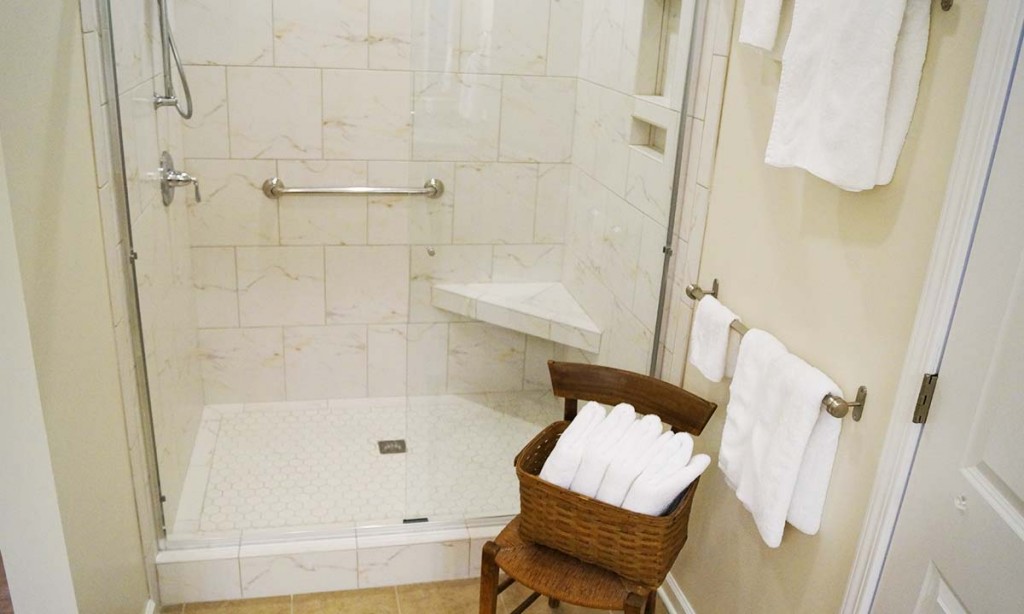
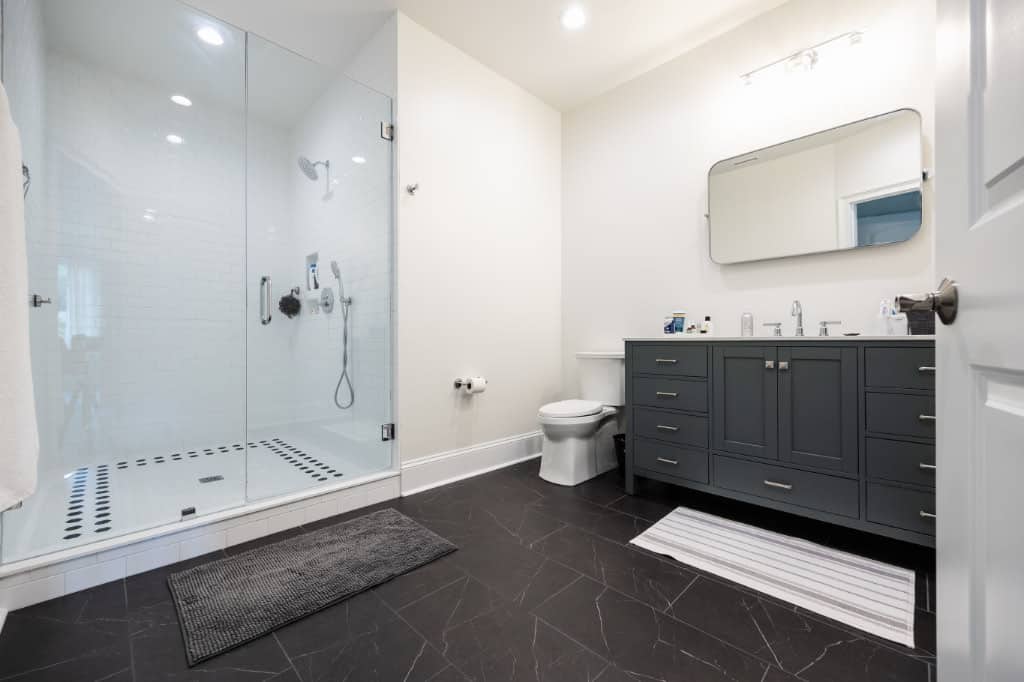
- Walk-in showers with simple, elegant design
- Warm, calming spaces that age gracefully
Luxury hasn’t disappeared—it’s just quieter. Homeowners are gravitating toward bathrooms that feel restorative, not performative.
The bigger picture: homeowners want homes that breathe
Across all of these trends, one theme is clear: homeowners want simplicity without sacrificing quality.
They’re choosing:
- Flexible layouts
- Timeless materials
- Spaces that evolve with life
- Design that feels intentional rather than excessive
This doesn’t mean homes are becoming boring or stripped down. It means homeowners are more thoughtful. They’re asking better questions. And they’re prioritizing how a home lives over how it photographs.
What this means for remodeling and new construction in 2026
For homeowners planning a remodel—or builders designing new homes—this shift is powerful.
The smartest investments in 2026 focus on:
- Versatility
- Longevity
- Ease of use
- Subtle, enduring design
At Palmer Custom Builders, this aligns perfectly with how we approach every project. Our goal has always been to create homes that feel like they’ve always belonged—spaces that are functional, beautiful, and built for real life.
Whether you’re rethinking a room that no longer serves you, planning a renovation with resale in mind, or building from the ground up, understanding what homeowners value today helps ensure your home stands the test of time.
Designing for what’s next — without overdoing it
Trends will always come and go. But the desire for homes that feel calm, flexible, and thoughtfully designed isn’t going anywhere.
In 2026, less isn’t about sacrificing quality—it’s about choosing wisely.
And the homes that win?
They’re the ones that don’t try too hard.
By: Gary Palmer, NC & SC Residential General Contractor with 40+ years of Remodeling and New Construction Experience.
Let’s reimagine what your home can be.
Need help envisioning how a home remodel, home addition, sunroom, kitchen remodel or bathroom remodel could improve your family’s home? Reach out to us at https://palmercustombuilders.com/contact/ to take the first step. Want more information on how to avoid other costly mistakes? We suggest you check out our book. Remodeling and New Construction with No Regrets can help you ask the right questions to ensure your project fulfills your expectations.