Which makes sense for your Charlotte home remodel: a floor over or an addition?
Charlotte homeowners are staying in their homes longer than they once did. Instead of moving every few years, many families are choosing to invest in the homes and neighborhoods they already love. But as families grow and lifestyles change, space often becomes an issue. When homeowners begin exploring ways to expand their homes, the conversation typically centers around two options: building outward with a traditional addition or building upward within the house with a floor-over. Both approaches can add valuable square footage, but the right solution depends on the structure of the home, the layout of the property, and the long-term goals of the homeowner.
What Is a Floor Over?
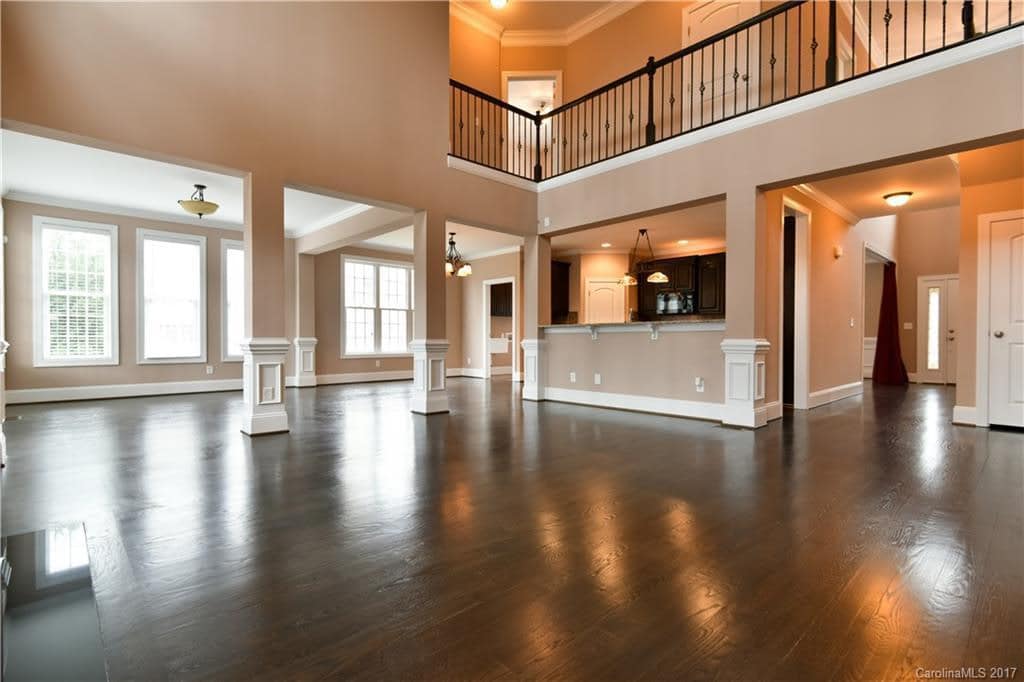
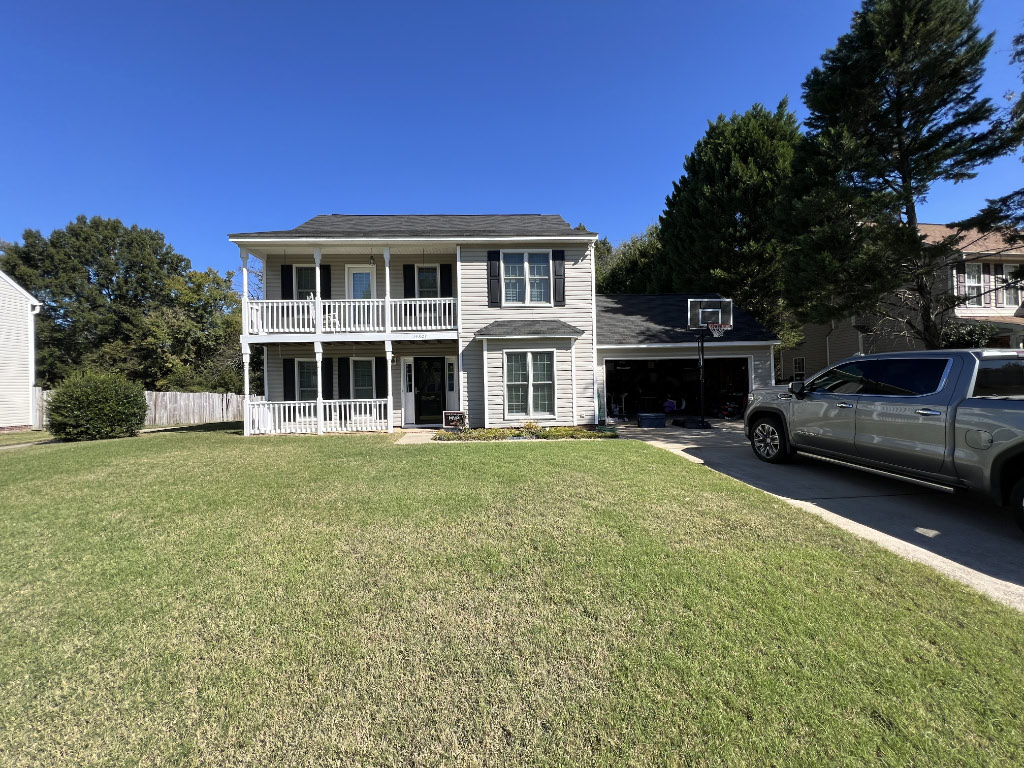
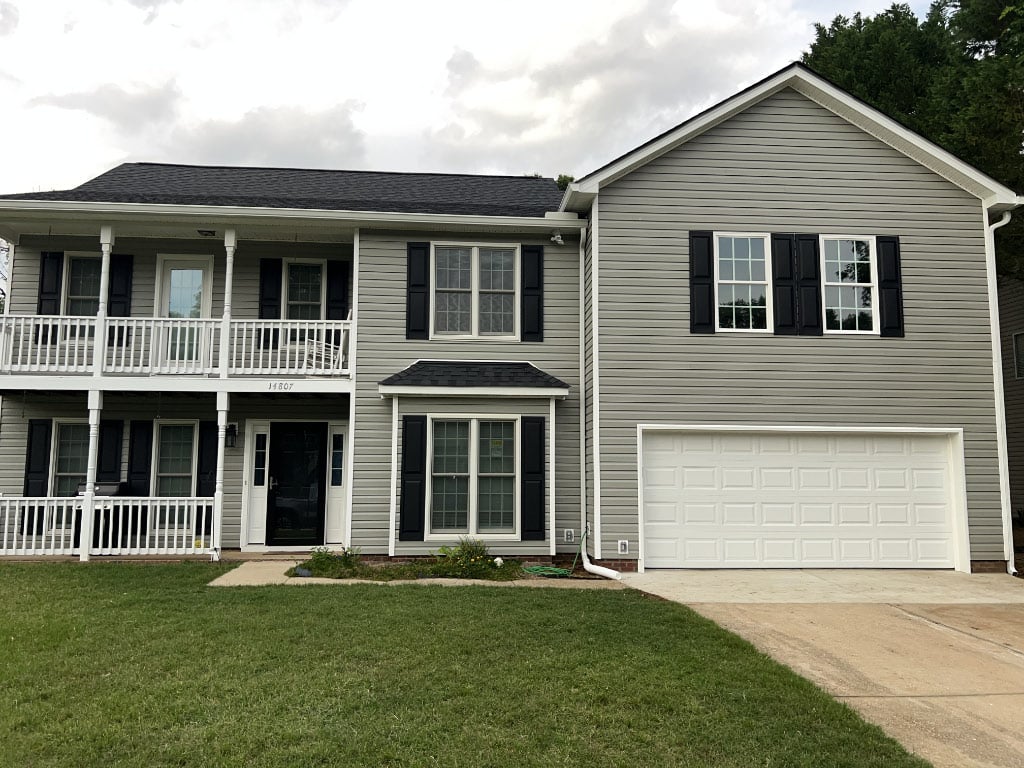
A floor over is exactly what the name suggests: creating additional living space above an existing, open portion of the home. This is often built over areas such as a two-story living room or foyer, a garage, or another section of the house that already has a foundation and footprint in place. Because the structure below already exists, a floor over can sometimes provide an efficient way to expand without dramatically altering the home’s footprint.
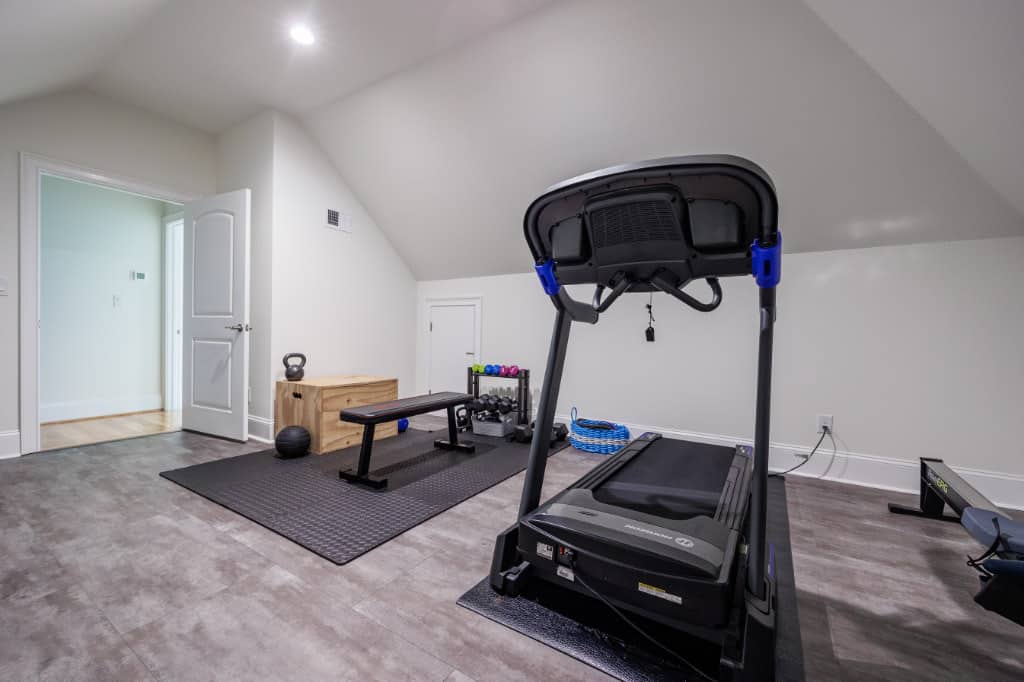
Homeowners often use floor-overs to create spaces that improve the functionality of their homes. These projects frequently become primary suites, bonus rooms, home offices, guest suites, or additional bedrooms. When thoughtfully designed, a floor over can significantly increase usable square footage while maintaining the character of the home.
Why Floor Overs Are Popular in Charlotte
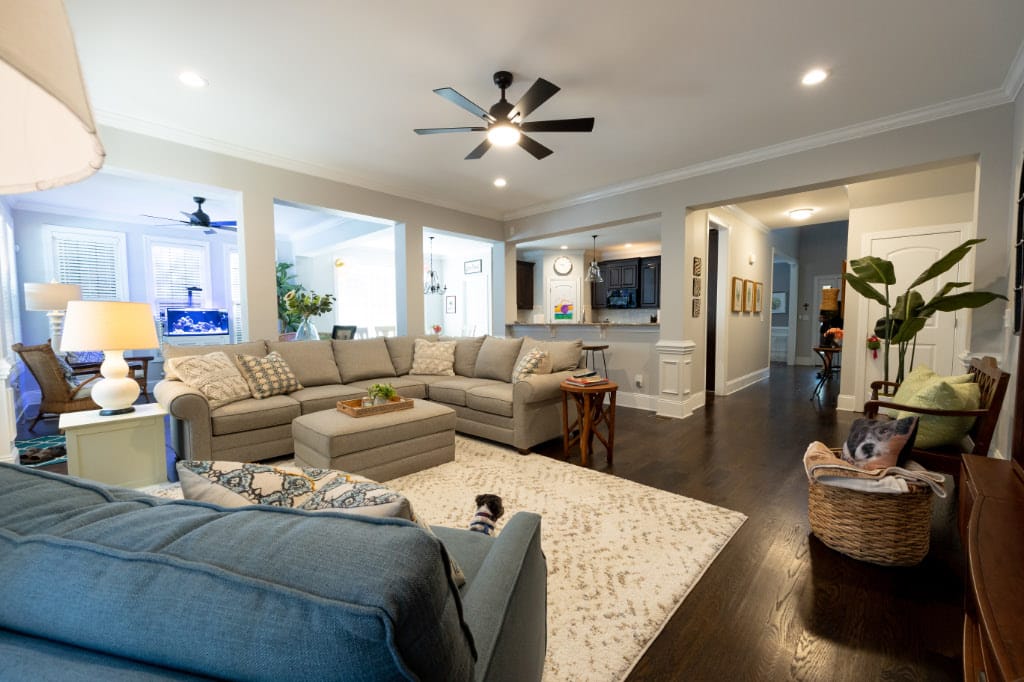
Floor-overs have become especially popular in Charlotte because of the way many neighborhoods are designed, and the popular house design that was built. Open two-story rooms or building a room above a garage are floor over possibilities. Many properties have limited lot sizes, and zoning regulations often include setback requirements or drainage easements that restrict how far a home can expand outward. In established neighborhoods, mature landscaping and outdoor living spaces are also valuable features that homeowners prefer to preserve.
By building upward rather than outward, a floor over allows homeowners to add living space while maintaining the yard space they enjoy. This approach can be particularly attractive in historic neighborhoods where maintaining the existing footprint helps preserve the look and feel of the surrounding homes.
Floor Over vs. Addition: Key Differences
One of the most noticeable differences between a floor over and a traditional addition involves yard space. An addition expands the footprint of the home, which reduces available yard area. A floor over keeps the existing footprint intact while adding square footage above it, making it a practical solution for homeowners who want to maintain their outdoor space.
Structural considerations are another crucial factor. Because a floor over places additional weight on an existing structure, the home must be carefully evaluated to ensure it can safely support the new space. This often involves structural engineering and may include reinforcing framing or adding beams to properly distribute the new weight load. While this step requires careful planning, it is a standard part of designing a safe and successful floor-over.
Design integration is also essential. A well-executed floor over should blend naturally with the existing architecture of the home. When designed properly, the new space should look as though it was always part of the house rather than appearing as a later addition. Achieving that level of integration requires thoughtful design, attention to rooflines and proportions, and an understanding of the home’s original style.
Construction impact can also differ between the two approaches. Traditional additions often require excavation, foundation work, and disruption to the surrounding yard. Floor-overs typically involve less disturbance to the property since they build upon an existing structure, though they still require skilled structural work and careful construction planning and management.
When a Floor Over Makes Sense
A floor over may be the right option when homeowners want to preserve their yard space or when their property limits outward expansion. It can also be a strong solution if the existing structure is capable of supporting additional square footage and if the home’s design allows the new space to integrate naturally with the rest of the architecture.
For many families, a floor over provides an opportunity to add meaningful space without dramatically changing the footprint of the home or altering the outdoor areas they value.
When an Addition Is Better
There are situations where building outward may be the better approach. If the existing structure cannot support another level, expanding outward may be the safest and most practical solution. Additions can also work well when homeowners want to create larger open floor plans or when the architectural design of the home makes vertical expansion difficult.
Determining which option makes the most sense often requires consultation with a qualified, professional design/build remodeler who is experienced in both – like Palmer Custom Builders. That professional will consider structural conditions, property constraints, and the homeowner’s long-term goals.
The Importance of Proper Design
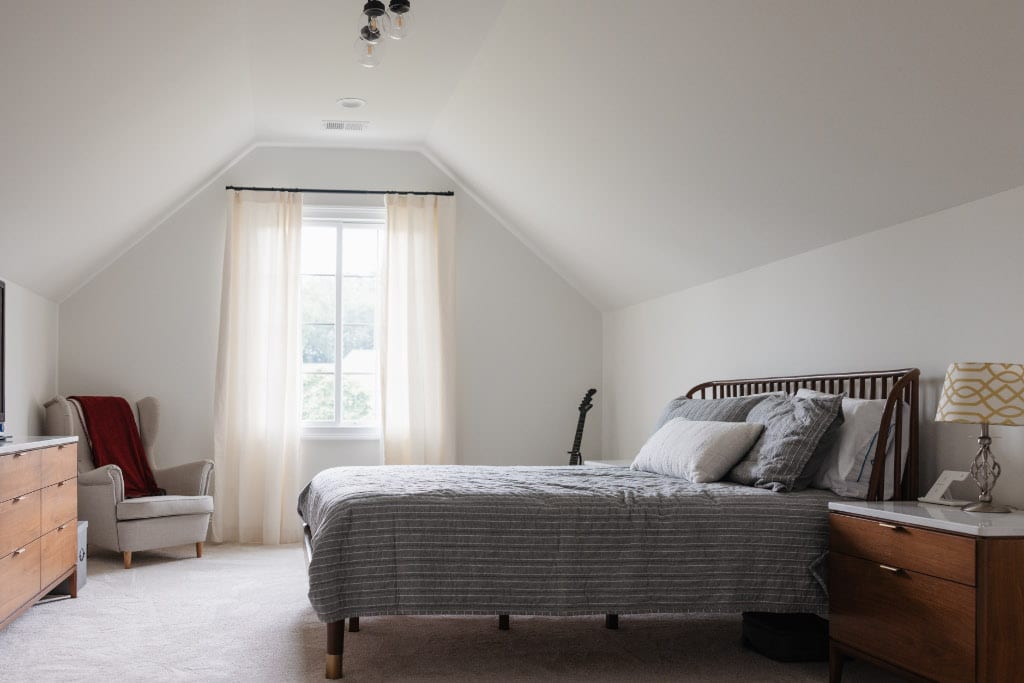
One of the biggest challenges with floor-overs is ensuring the finished result looks like it’s original to the home and blends seamlessly with the existing house. Poorly designed expansions can appear awkward or disconnected from the original home. At Palmer Custom Builders, the design process focuses on carefully integrating new spaces, so they feel cohesive and intentional.
The goal is always to create a finished home that looks balanced and thoughtfully designed rather than altered as an afterthought.
Planning Your Expansion
Whether building upward or outward, the success of any home expansion begins with thoughtful planning. Homeowners should consider the structural feasibility of their home, local zoning and setback requirements, how the new space will integrate architecturally, and what level of investment fits their budget. It is also important to think about how the new space will serve the family’s lifestyle over the long term.
Taking the time to evaluate these factors early in the process helps ensure the final design improves both the functionality and value of the home.
Floor-overs can be an excellent way to expand living space while preserving valuable yard area. However, like any remodeling project, the best solution depends on the structure of the home, the constraints of the property, and your family’s goals.
Understanding the advantages and limitations of both floor-overs and traditional additions allows Charlotte homeowners to make informed decisions about how to expand their homes in a way that enhances both comfort and long-term value.
By: Gary Palmer, NC & SC Residential General Contractor with 40+ years of Remodeling and New Construction Experience.
Need help envisioning how a home remodel, home addition, sunroom, kitchen remodel or bathroom remodel could improve your family’s home? Reach out to us at https://palmercustombuilders.com/contact/ to take the first step. Want more information on how to avoid other costly mistakes? We suggest you check out our book. Remodeling and New Construction with No Regrets can help you ask the right questions to ensure your project fulfills your expectations.