Why experience and expertise matter when trees, remodeling permits, and progress collide in Charlotte, NC
In Charlotte, trees are more than landscaping. Since Charlotte is recognized as “Tree City USA,” they’re part of the city’s identity — and part of the building permitting process.
Homeowners planning a Charlotte home addition or new construction often don’t realize just how involved tree preservation requirements can be until they’re deep into the building permitting approval process. Between heritage trees, root protection zones, soil compaction rules, and mitigation plans can stall projects quickly if those requirements aren’t properly understood and addressed.
That’s where experience and expertise matter — not just construction experience, but deep knowledge of trees, soils, and environmental systems.
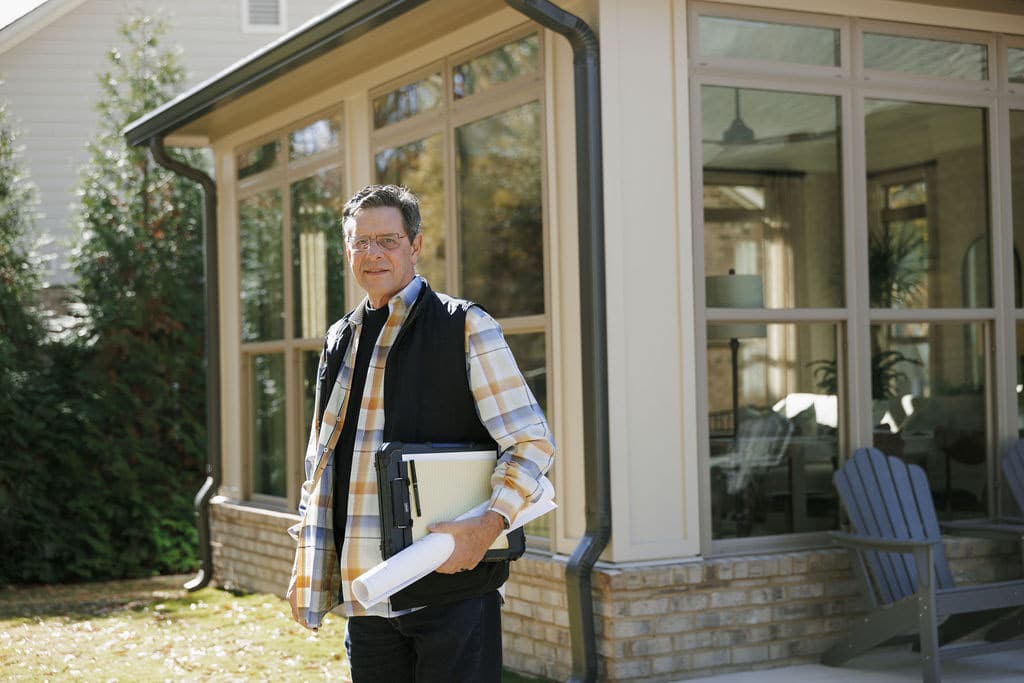
At Palmer Custom Builders, that expertise comes from professionals like owner and Residential General Contractor Gary Palmer, whose background in forestry and natural resource management adds a critical layer of value when working with Charlotte’s Urban Forestry Department and Planning, Design & Development. Even with this extensive background in the field, the building approval process can be challenging to maneuver.
When construction meets urban forestry
Charlotte’s Urban Forestry program exists for a good reason. Protecting the city’s tree canopy helps preserve neighborhood housing values, manage stormwater, reduce heat, and maintain the character that makes Charlotte such a desirable place to live.
But from a homeowner’s perspective, the rules can feel overwhelming.
Trees are evaluated based on:
- Species
- Trunk diameter
- Root systems and critical root zones
- Distance from construction activity
- Soil compaction risk
Certain trees — particularly large, mature oaks, magnolias, and designated “heritage trees” — require additional documentation, protection plans and sometimes mitigation fees.
Without the right knowledge, these requirements can lead to:
- Multiple rounds of plan revisions
- Delays in permitting
- Added design changes late in the process
- Unexpected costs
How forestry expertise changes the conversation
Gary Palmer holds degrees in Forestry and Natural Resource Management, with decades of hands-on experience working with trees, soils, and site conditions. That background fundamentally changes how projects are planned, and thus how conversations with city departments unfold.
Rather than reacting to forestry requirements after they arise, Gary anticipates them early in the process as a matter of planning. He understands:
- Which trees are truly sensitive to construction work
- How different species’ root systems behave
- How soil compaction affects tree health
- What construction methods minimize long-term damage
For example, not all trees respond the same way to construction activity. Oaks typically have deeper root systems than maples, which tend to have more sensitive shallow roots. Understanding those differences allows Palmer to design foundations, construction equipment access routes, and staging areas that protect trees without placing unnecessary restrictions on the project.
That knowledge matters when meeting with urban forestry specialists. Speaking the same technical language — from root zones to silviculture assessments — allows discussions to stay productive and solution-focused.
Smart planning saves time and money
In an ongoing project, the permitting process requires extensive coordination with Charlotte’s Urban Forestry Department due to multiple protected trees on the property. While the outcome will be ultimately positive, getting there requires detailed documentation, site planning, and careful negotiation of practical solutions, and sometimes, perseverance.
Because Gary understood both the intent behind the regulations and the realities of construction, Palmer Custom Builders was able to:
- Propose a foundation system that reduced excavation near roots
- Adjust fencing and protection zones logically, not arbitrarily
- Plan material staging to avoid unnecessary soil compaction
- Use protective measures like temporary plywood access paths when needed – but not excessively
These decisions weren’t theoretical. They were rooted in experience and expertise— and they prevented far more costly delays or redesigns later.
For homeowners, that expertise translates directly into value:
- Faster permit approvals
- Fewer change orders
- Reduced risk of post-construction tree loss
- Lower long-term costs
Protecting trees without stopping progress
The goal isn’t to fight the system, and it definitely isn’t to cut corners. The goal is to work within the rules intelligently to the benefit of homeowners.
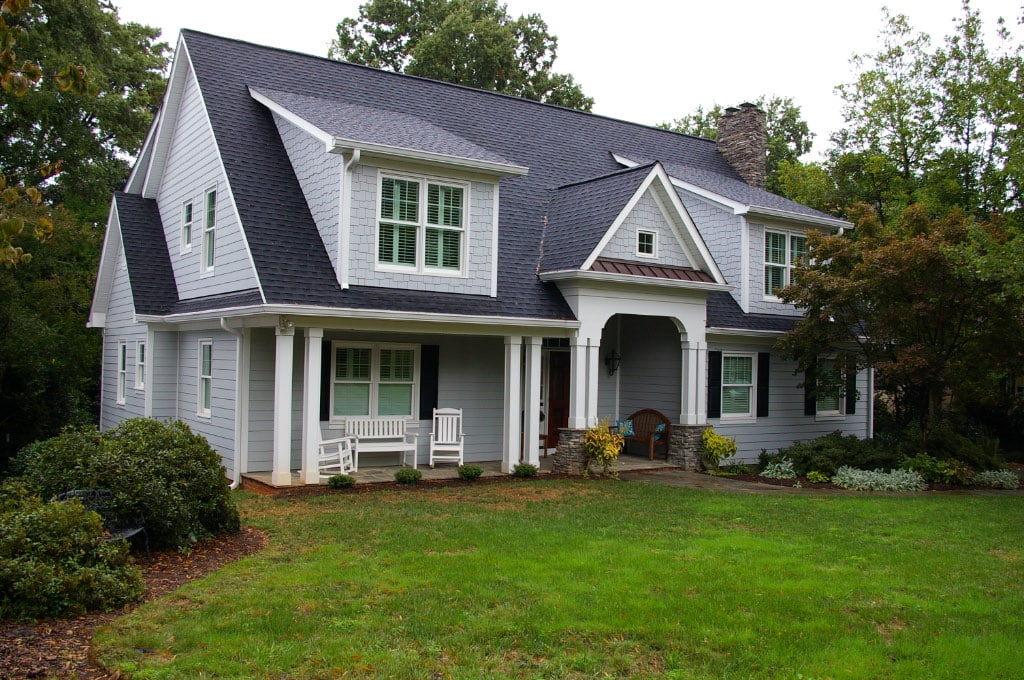
Charlotte’s forestry requirements exist because too many projects in the past ignored tree health entirely, leading to tree loss years after construction due to tree and root damage and soil compaction. Palmer Custom Builders understands that reality and takes protection seriously.
The difference is knowing how to protect trees while still moving projects forward.
That includes:
- Choosing construction methods that limit excavation
- Sequencing work to reduce equipment impact
- Planning access routes that preserve root systems
- Monitoring site conditions throughout the build
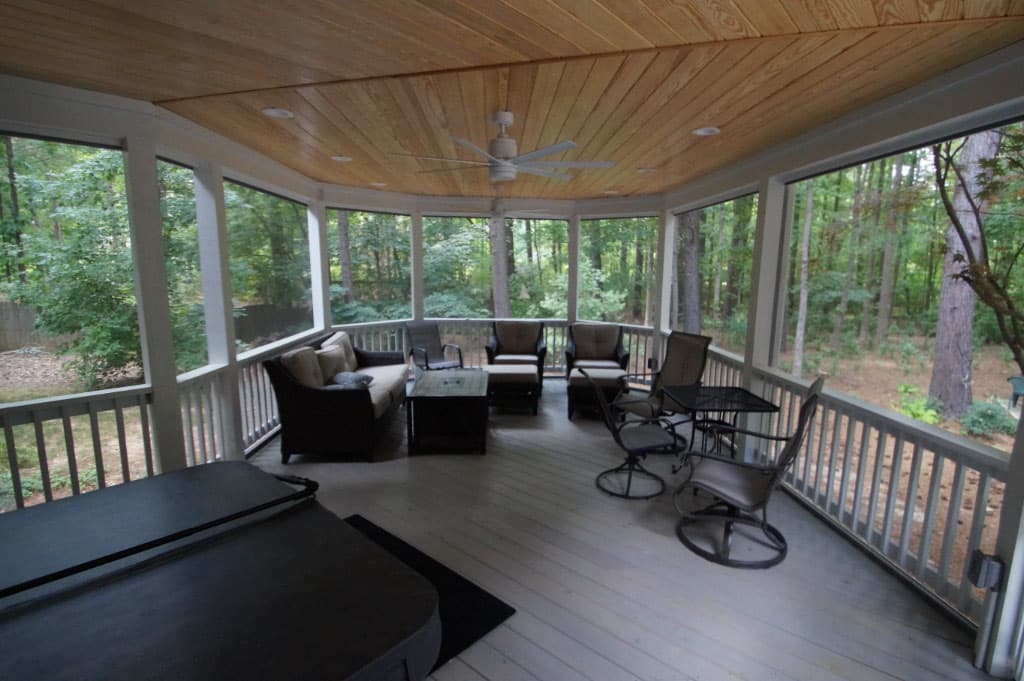
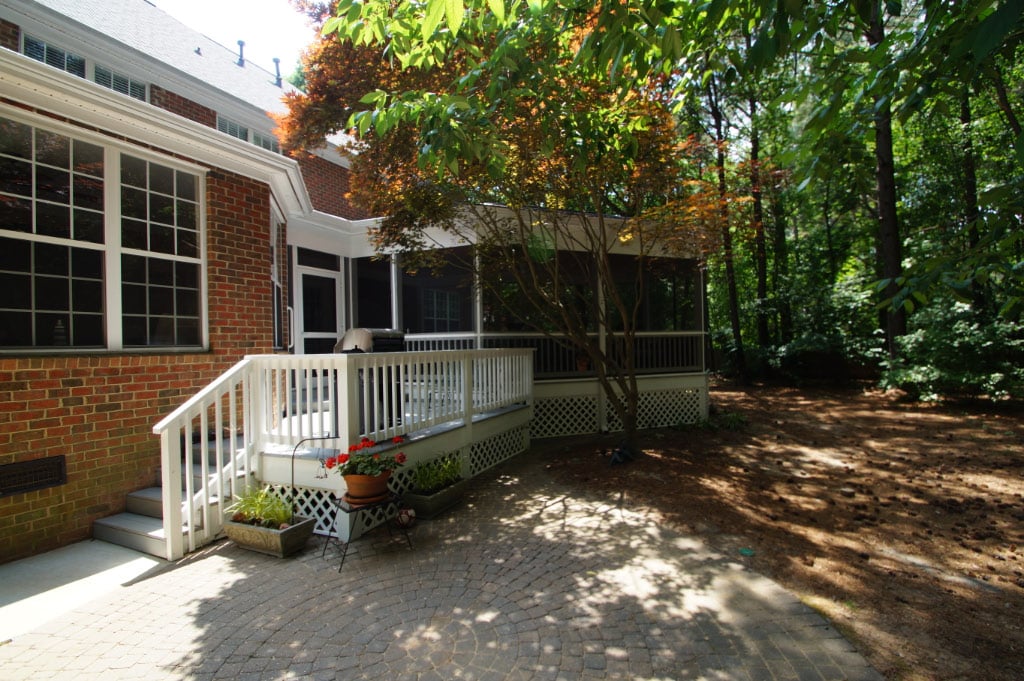
Over decades of work, Palmer Custom Builders has consistently protected mature trees and ornamentals on project sites — not because it’s required, but because it’s the right way to build. In fact we routinely go above and beyond. On a project a few years ago, we designed and built a covered screened porch and deck around a beautiful mature Japanese Red Maple tree.
The hidden advantage for homeowners
Most homeowners never see this part of the process. They just know whether their project moves forward smoothly or gets stuck in red tape.
When builders lack forestry knowledge, problems may surface later:
- Permits get delayed
- Requirements change midstream
- Trees decline years after construction is complete
- Homeowners are left with unexpected consequences
When builders understand both construction and environmental systems, those risks are managed from day one.
That’s the difference experience and expertise make.
Building responsibly in a city of trees
Charlotte is growing, and thoughtful development matters more than ever. Preserving the city’s tree canopy and allowing homeowners to improve their properties don’t have to be opposing goals.
With the right experience, they can work together.
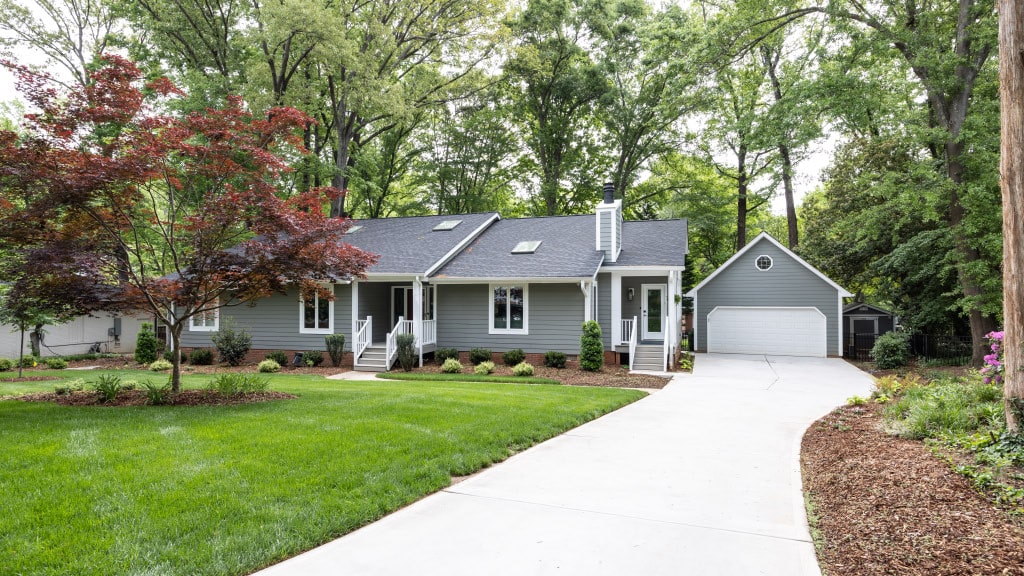
At Palmer Custom Builders, that balance is built into how projects are planned, permitted, and executed — combining construction excellence with environmental responsibility. In fact, we have never lost a mature tree on a project site or after project completion.
Because protecting trees shouldn’t mean stopping progress. And moving projects forward shouldn’t mean sacrificing what makes Charlotte special.
By: Gary Palmer, NC & SC Residential General Contractor with 40+ years of Remodeling and New Construction Experience.
Let’s reimagine what home can be.
Need help envisioning how a home remodel, home addition, sunroom, kitchen remodel or bathroom remodel could improve your family’s home? Reach out to us at https://palmercustombuilders.com/contact/ to take the first step. Want more information on how to avoid other costly mistakes? We suggest you check out our book. Remodeling and New Construction with No Regrets can help you ask the right questions to ensure your project fulfills your expectations.